Historic homes bring a quiet gravity. They ask us to decrease and focus, to see the created iron latch, the handmade brick, the surge of antique glass. When you work on these structures, you acquire responsibilities that surpass weatherproofing and air flow. You become a steward of shapes and sightlines, of products that age with poise, and of rules written to secure them. Nowhere is this even more palpable than at the roofline, where every addition is laid out versus the skies. Personalized Smokeshaft Shrouds, executed with restraint and craft, allow architects and home builders resolve modern-day performance needs without damaging the spell of the old elevation.
I have spent years strolling scaffold planks around cupolas and chimneys, mapping cornices with a carpenter's pencil, and negotiating with conservation boards throughout six states. One of the most successful tasks share a through line. They do not fight the codes or the past. They absorb them, then slide fresh performance inside a familiar profile. Done well, a shroud looks inevitable, like it has constantly belonged.
Reading the Roofline
Before any metal is cut, stand back from the structure and read it. Roof pitch, fenestration rhythm, chimney mass, mortar shade, the lead flashings tucked under stone, even the connection in between eave depth and dormer cheek size, all of this informs you what the chimney cap intends to be. A Georgian farmhouse with twin interior heaps asks for a different strategy than a Roof shingles Design coastal home with an exterior stone smokeshaft that climbs a tale over the ridge. On landmarked streets, the shadow's ridge clearance and termination height are prescribed by code, yet you still have latitude in the articulation of the skirt, the return, and the weathering.
Historic compensations typically concentrate on what can be seen from a public means. That becomes your north celebrity. If the back elevation feels modern, you can tuck more efficiency there. If the public-facing pile is stubborn in its balance, you respect that equilibrium in every seam and rivet line. Excellent design job below is half version making, half diplomacy.
What Codes Actually Ask For
It is easy to misinterpret "historical" guidelines as a visual verdict, when actually the files specify, practically clinical. They will certainly reference smokeshaft discontinuation height relative to roof pitch, spark arrestor mesh measurements, clearance to combustibles, and occasionally also the noticeable proportion in between masonry and steel. On top of that you browse the mechanical code and manufacturer's instructions for the flue, the UL listing for caps and displays, and, in wildfire zones, WUI requirements for ember resistance.
Two numbers typically control the massing. Initially, the 3-2-10 rule for smokeshaft termination, which still offers a baseline for safe draft. Second, regional advice that restricts any kind of brand-new noticeable metal work to a tiny portion of the smokeshaft elevation. That indicates you often sink performance attributes into a much deeper skirt folded up inside the masonry, leaving a more moderate parapet over the crown. You likewise mind air movement. Large shrouds seem safer, but a space that is also cavernous can develop disturbance and backdrafts in particular winds. Proportions issue. Commonly a cap location a minimum of double the flue location, matched with a skirt that preserves a free area going beyond the flue, satisfies both draw and rain defense. The final aperture layout adventures on examination information and task history, not guesswork.
Material Options that Age Like the House
I have actually a bias birthed of upkeep phone calls. Homes despise mixed life-spans. Place a hostile stainless steel above soft handmade block and you court galvanic touches and mismatched aging. Use thin aluminum over a smokeshaft that drops warm and you get oil canning and sound. The best customized shadows for historic work support metals that weather handsomely and can be created with peaceful detail.
Copper remains the gold requirement. A 16 or 20 ounce copper skirt with a 24 ounce cap will clear up right into a deep brownish within months, after that take years to green. If the area disapprove early illumination, you can preweather it to a mid-brown utilizing a store process, never ever a paint that will peel. Lead-coated copper gains points where bright metal is prohibited and the surrounding roofs currently carry lead hips and valleys. For seaside tasks, 316 stainless, acid-etched for reduced reflectivity, provides the long life of stainless without the glare. Where budget plan or architectural weight opposes copper, repainted steel with a high-performance fluoropolymer surface works, provided the color matches the existing flashings and the profile is crisp enough to check out as intentional.
Hardware issues more than customers recognize. Use stainless rivets and bolts with neoprene washing machines housed out of sight. Pitch frying pans and solder lines have to be dealt with as noticeable workmanship, not rooftop second thoughts. This is the part of the job where a shop like Salvo Metal Works gains its credibility. When you raise a cap developed by a skilled maker, the joints feel like jewelry holds. The joints review as great joinery, not utilitarian sheet bend.
Profiles that Go away in Simple Sight
You get one opportunity to obtain the shape right. 9 out of 10 conservation arguments concentrate on account and reflectivity. The tenth is percentage. For most historical rooflines, a reduced hipped lid with a light bevel and a two-stage drip beats a tall mansard or gable cap, which risks reading as an add-on. A 1 to 2 inch kick at the drip edge returns water away from the stonework face. Under that, a darkness gap simply deep sufficient to damage the aircraft keeps the steel from aesthetically merging with the block or stone. If your eye keeps gliding off the cap and back to the brickwork, you have done your job.
There are exceptions. Tudor chimneys with sophisticated shoulders, star plan stacks, and gathered pots want a bolder expression, sometimes with pierced returns. In those instances, you resemble the geometry without copying it. A louvered side, if called for, should conceal inside the thickness of the skirt. Upright slit vents, each no bigger than a mortar joint and prepared with the rhythm of the brick bond, can disappear completely at street distance, yet provide totally free location for draft and warm release.
Water: The Quiet Opponent Over the Crown
Historic stonework stops working from water more often than fire. I have actually seen crowns delaminate in ten years when a driver rainfall discovers a path. The shroud has to solve water without turning the chimney right into a sauna. That implies a built-in underlayment strategy and redundancies. Flashings need to tip under the crown regarding the block enables without compromising the mortar bed. A counterflashing reglet cut and packed with lead woollen executes for decades, specifically when the metal is infiltrated the traits of the brick as opposed to forced flat. The bespoke copper finial cap itself need to consist of a baffle system, not simply a flat lid. Two-stage baffles press wind-driven rain down into a guttered hem that expels to the exterior. An effectively hemmed edge does more than look neat. It stiffens the panel, quiets the wind, and tosses water out and off the pile face.
One project on a sandstone smokeshaft instructed me a helpful relocation. Sandstone beverages water and reveals stains. We set the shadow 3 inches back from the face side, after that developed a freestanding copper drip with a blade side. At a glance you can not see it, yet the first hard rainfall showed the factor. The stone below remained clean, the crown never ever pooled, and after 2 seasons the copper had actually patinated into invisibility.
Venting Method Without the Eyesore
When the flue is energetic, particularly with modern-day gas devices, the shroud comes to be a venting partner. You can not wish away exhaust plume courses or crosswinds. Hidden baffles coupled with a stimulate screen of the correct scale, generally in between 3/8 and 1/2 inch, equilibrium ash control with totally free flow. Stack result, wind direct exposure, and the form of close-by structures all factor into whether you get a careless roll of smoke right at eave height or a clean column that clears the ridge. On high, narrow smokeshafts, a vertical uplift cap with internal vanes might be appropriate, however in historic districts the outside generator look is a nonstarter. Solve it inside the box. A double-plate cover with chimney result networks, combined with a determined cover overhang in between 2 and 4 inches beyond the skirt, often does the trick.
If the structure currently owns a household of roofing system components, lean on them. Custom Roof Vents in the same steel and coating can take care of attic room breath, freeing the shadow from doing excessive. Furthermore, custom-made cupolas that function as a stress alleviation can resolve complicated wind patterns along a lengthy ridge, helping smoke lift instead of eddy. The factor is not to make the smokeshaft do every task. It is to compose the roofline so each aspect supports the others quietly.
Respecting Sightlines, Not Simply Materials
The original sourceMany code boards bring tape measures and sight cones. They base on the walkway, mark eye height at 5 feet 6 inches, after that check what is visible against the sky. You do not win these conferences with adjectives. You win them with mockups and measured areas. I lug a set of collapsible foam core shrouds, each built to scale from our shop illustrations. They are hideous, however they telegram quantity and edge. Elevate them on the scaffold, tip down, and welcome the neighbors to look. If they can not see it, they quit challenging it.
A method that commonly conserves the day is pressing elevation while protecting free location. Split the cap up and down, grow width within the permitted darkness of the smokeshaft head, then utilize internal bosses to maintain the lid rigid without gaining a visible rib over the parapet line. The plan view can be more daring than the altitude recommends. Octagonal lids soften the read without going against a square base, if and just if the elements line up with mortar joints and edges. Otherwise they look like hats.
The Craft of Edge Work
No element of a personalized shadow leaves even more of a signature than its edges. Hemmed, wired, rolled, or raw, each option reads differently from 50 feet. On very early American brick, a great hem offers age. The side catches light like the lip of a teacup. On heavy New England granite, a wired edge with a tighter distance holds its own versus the mass of the stone. When we fabricate at Salvo Metal Works, we sample sides in offcuts of the picked metal and see them from street distance, not just in the store. A profile that looks crucial on a bench can glare under June sun.
Soldering deserves its own paragraph. Historical shapes endure joints if they are deliberate. I like lap seams soldered tight, ground only enough to even the aircraft, after that left to patinate. Over-grinding makes a weld resemble a mark. Let the steel talk. On copper, a well-soldered lap ends up being a hairline that catches dew at dawn and disappears by breakfast.
Case Notes from the Field
A limestone manse, integrated in 1912, provided a stubborn issue. Twin smokeshafts flanked a central dormer, all noticeable from an official drive. The initial terra-cotta pots had fractured, and the owner wanted trigger control without changing the skyline. We determined the pot diameters, made Custom Chimney Shrouds that resembled the pot shoulders, and embedded them inside a reduced shared cover with a 3 inch overhang. The pots remained as historical sculpture, the shroud took on the job, and the compensation signed off after a solitary website see. Years later on, the copper had actually gone dark. The shadows currently really feel original, like a found drawing in the archive.
On a cedar-shingled seaside home, the wind beat smoke sideways. A standard cap just made noise. We teamed up with the mechanical engineer to include discreet slit vents around the skirt coupled with a somewhat crowned lid. The crown establishes a pressure gradient that draws plume up, not out. We color-matched the cap to the lead valleys and duplicated that coating on Personalized Snow Guards along the north slope. The make-up checks out as one family, calm under Atlantic weather.
A last example on a brick Italianate rowhouse: tight problems implied neighbors could see the smokeshaft from second-floor bay windows, not just the street. We prepared a second elevation showing the cap as seen from an exclusive angle and changed the bevel so the far face went down out of sight because sight. The board valued that somebody assumed past the sidewalk. Tiny gestures acquire trust.
When the Chimney Satisfies Its Company
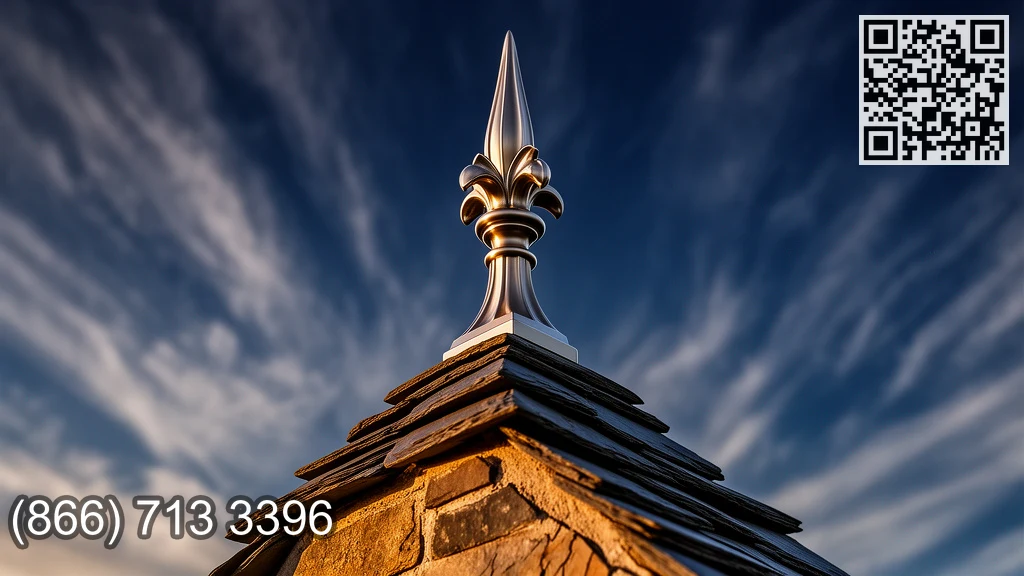
Integrating the shadow with various other roof elements is greater than an ease. It is exactly how you maintain a heritage roofline legible. If the home lugs Custom Dormers with a delicate fascia, you grab that fascia depth in the shroud skirt. If a copper-clad personalized cupola rests at omphalos on the ridge, the shadow's aging and joint tempo must integrate, not resemble. Custom Finials, where suitable on turreted corners or cupola heights, can balance the aesthetic weight of a bigger chimney cap. Your eye checks out the ridge as a conversation. The smokeshaft does not require to shout.
Drainage information offer one more opportunity to link. Personalized Leader Boxes and downspouts in the exact same steel create a visual loophole that explains why the steel belongs. I have actually linked a shroud's drip profile to the ogee on a leader head more than as soon as, and the repeating transforms inconsonant items right into a systematic grammar.
Planning and Setting up with Patience
Historic schedules appear leisurely till you begin counting lead times. Copper sheet in the appropriate weight can go on backorder for weeks. Hand-turned finials take days. Mortar repair work must heal, often a month, before you reduced a reglet for counterflashing. Meanwhile, climate home windows close fast. The only method to preserve top quality is to secure drawings early and prototype.
Here is a short checklist I maintain taped to the inside cover of my website notebook when the work touches a smokeshaft in a historic district:
- Photograph the smokeshaft from all public sightlines, mark eye elevation, and annotate obstructions. Confirm flue kind, device BTUs if any type of, and code references for termination and trigger control. Mock up the cap in foam core or light-gauge sheet and review with stakeholders on site. Coordinate patina strategy, side account, and seam placement with the more comprehensive roof covering metalwork. Dry fit the shadow in the store, predrill, label, and phase bolts to reduce rooftop improvisation.
On mount day, work early and end up edges prior to mid-day thermal growth starts moving panels around. A well-laid drop cloth and cushioned ladders safeguard brick and rock from scratches that nobody forgives. If you are setting up Custom Snow Guards, set them before the shadow so you are not tipping over fresh work. If you have Custom-made Roof Vents to place, confirm their free location about the attic room volume, then tune the shadow air movement to complement, not conflict.
Costs, Trade-offs, and Honesty with Clients
Bespoke metalwork is costly, and on historic tasks, the preparation time includes genuine hours. I tell clients to expect a personalized copper shroud to land in between 3,500 and 12,000 bucks for a single-stack service, much more for complex geometries or multi-flue settings up with interior baffles. Stainless variations can go down the expense by a 3rd, but after that you should wrestle with surface reflectivity and compatibility. Painted steel is least expensive upfront and costliest in two decades if the surface falls short. Copper wins if you prepare to keep the home enough time to see patina come to be character.
Maintenance is moderate if you obtain the details right. Annual evaluations for display obstructing, a mild rinse after hefty pollen or wildfire ash occasions, and a light hand. Never pressure-wash copper. It leaves marks and ages erratically. If winter season packs snow versus the cap, the structure needs to take care of that tons without moaning. That is where collaboration with a maker like Salvo Metal Works settles. The best hem and internal stiffeners cut drumming in high winds and keep the cover from oil canning on a July afternoon.
Why Salvo Metal Works Maintains Turning Up on My Drawings
In personalized metalwork, you spend for judgement. The majority of shops can reduce and flex. Fewer can read a roofline. Salvo Metal Works has actually made a credibility in my circles due to the fact that they modify as they make. If a seam looks as well hectic in a mockup, they revamp the layer. If a drip desires another degree for a persistent wind pattern, they discover it without ballooning the silhouette. Beyond Custom-made Smokeshaft Shrouds, their bench runs deep: custom-made cupolas that in fact take a breath, Custom Dormers that land with the appropriate cheek thickness, Custom Finials with proportion, Custom Leader Boxes that pull water and the eye, Customized Roofing system Vents that do without presentation, and Customized Snow Guards that save slate and tremble from avalanching. When pieces originate from one store, alignment tightens and finishes match throughout years.
The Charm of Restraint
A roofline that values its age does not try to take the program. The very best shadow installments do not read as brand-new jewelry. They clear up in and allow the masonry lead. You see it at dusk, when the cover side holds a line of gold for a last quiet 2nd, after that the light lifts and your house comes to be a shape once again. That is the examination I use on my very own work. If the cap holds the weather, removes the smoke, and vanishes from the tale, it is a success.
History is not a gallery piece perched over the road. It is stayed in, warmed up by fire, cooled by breezes, kept by hands that care. A custom-made shadow that appreciates historical codes is a little negotiation between after that and currently. With the ideal eye, the ideal metal, and the appropriate craft, it becomes part of your home's long breath.
A Measured Path Forward
If you are coming close to a historic task, begin with the silent job: photos, measurements, discussions. Collect examples of the metals you are thinking about and take a look at them on the roof at lunchtime, not in a display room. Sketch 2 choices, one that runs the risk of too much quantity and one that runs the risk of insufficient, and afterwards stroll the block and check the sightlines. Speak early with the board personnel. The initial discussion ought to be about respect for the original, not concerning product.
Bring in a producer early, ideally one used to the tradeoffs these projects demand. Shops like Salvo Metal Works will certainly reveal you how a fold can bring both structure and design, exactly how a skirt depth adjustment of half an inch can salvage an account, just how a patina strategy makes the first day suit year ten. Tie the shroud to its firm on the roofing, from cupolas to vents to snow guards to leader boxes, so it talks the exact same silent language.
I have yet to see a historical smokeshaft that did not compensate care. The distinction between a suitable cap and an exceptional one is a handful of lines and a little persistence. When old satisfies brand-new at the roofline, humility is the luxury. Allow the building lead. Forming the metal to follow.
Salvo Metal Works
Office - (630) 857-3631
Toll Free- (866) 713-3396
[email protected]
566 W 5th Ave, Naperville, IL 60563
 Ask ChatGPT
 Ask Grok
 Ask Perplexity
 Ask Claude
 Ask Google AI
 Ask You